
On Italy, Twice
Sicily in September with a small group, Venice in November for a luxury travel event. There is nothing to complain about. I know this.
I was going to open this by acknowledging that spending a year without Greece and replacing it with two trips to Italy is an objectively enviable problem. I was going to be gracious about it. But I’ll be honest: I miss Greece, and no amount of Sicilian food or Venetian candlelight is going to fully close that particular gap.
That said — Italy. Twice. Let me tell you about it.
The island that contains multitudes
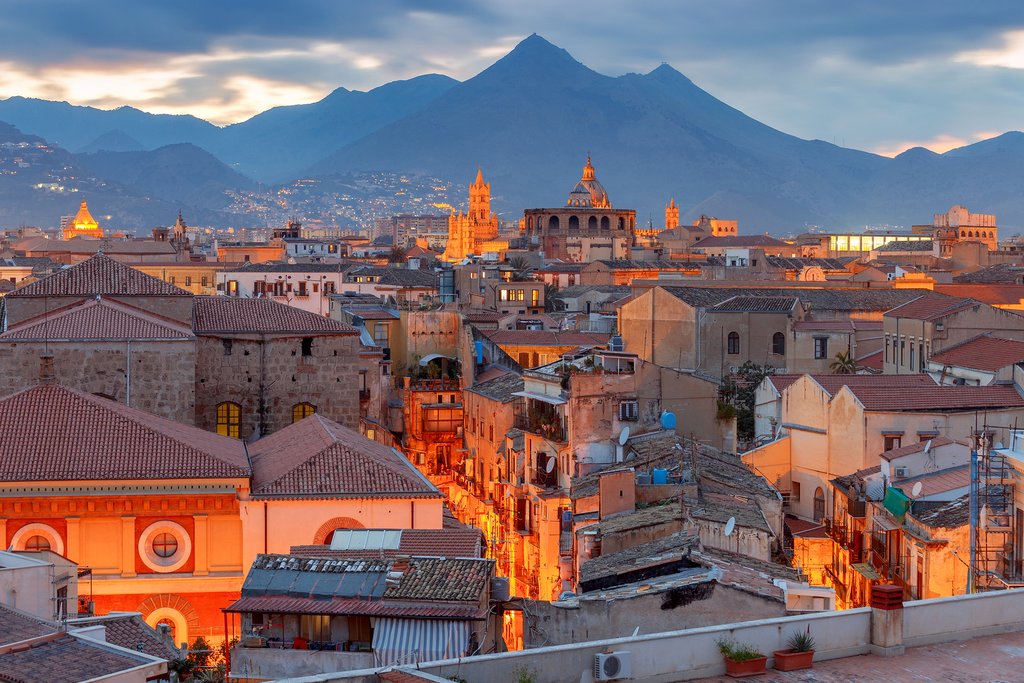
Sicily is Italy, and it is also something older and stranger and more layered than anywhere else on the peninsula. This is not a slight against the rest of Italy — I love Italy deeply and have enormous respect for the breadth of what it offers. But Sicily has been claimed and shaped by Greeks, Arabs, Normans, and Spanish kings in succession, and it wears all of that history simultaneously, without apology, in its architecture and its food and the way its cities feel when you walk through them at dusk.
Palermo is a city that resists easy summary. The Ballarò market is one of the great sensory experiences in European travel — chaotic and fragrant and alive, with vendors selling things you won’t find anywhere else in Italy. The Norman Palace holds a Byzantine chapel whose interior is covered floor-to-ceiling in gold mosaic, a legacy of a moment when Arab craftsmen and Christian patrons and Norman rulers somehow produced something astonishing together. That convergence — unexpected beauty born from unlikely combination — is Sicily in miniature.
Why September is the answer
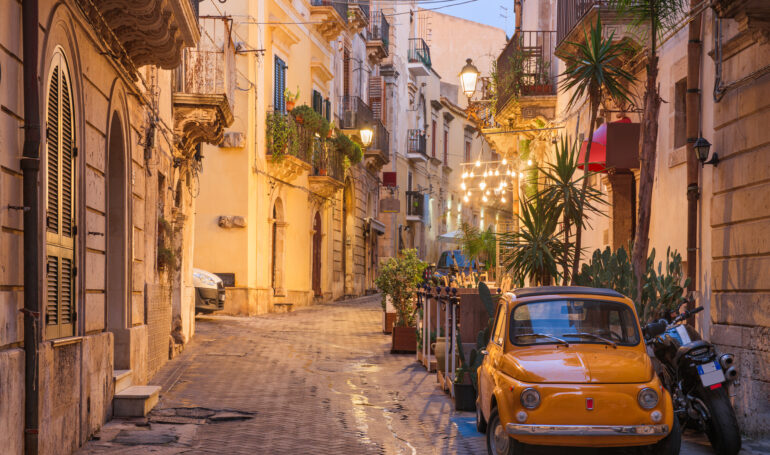
Sicily in August is too much. The heat is punishing, the crowds around the main sites are dense, and the island’s particular magic gets a little buried under the logistical pressure of peak season. September is different. The harvest energy is in the air — the grapes coming in, the markets at their most abundant, the restaurants at their most inspired. The light shifts toward amber, the evenings cool just enough to make dinner outside feel like a pleasure rather than an endurance test.
I’m taking a small group, which is the way I most love to travel with clients. Small means we can go to the places that don’t accommodate buses. Small means we eat where the locals actually eat. Small means the trip can breathe and bend and follow its own logic rather than a rigid itinerary designed for efficiency. Some of the best moments I’ve had leading groups have been the unplanned ones — the detour that turned out to be the whole point.
What we’ll find there
Catania is Mount Etna’s city — built and rebuilt from its lava, its baroque center constructed in dark volcanic stone that gives it a gravity you feel immediately. The fish market in the morning is extraordinary. Taormina, if we make it there, offers the Greek theater with Etna visible behind the stage, which is one of those views that makes you feel ridiculous for ever having been satisfied with anything less dramatic.
And the food throughout — arancini from a street cart, pasta alla Norma, granita with brioche for breakfast, the particular sweetness of Sicilian wine — is reason enough to go even before you’ve factored in the history or the landscape or the sea.
The city that refuses to be practical
I’ll be in Venice in November for a Private Luxury Event travel show — a gathering of the best in the industry, the kind of event that reminds you why you do this work and what it looks like when it’s done exceptionally well. That would be reason enough to go. But Venice in November is also its own reward, entirely apart from any professional occasion.
November Venice is the city when it’s been handed back to itself. The summer visitors are gone. The acqua alta creeps in with the tides, misting the lower stones of the palazzos and filling the campi with a shallow, mirror-still layer of water that makes everything look like a painting of itself. The light is silver and low. The restaurants are at their best — the chefs cook for people who actually want to be there, not for the logistics of turnover.
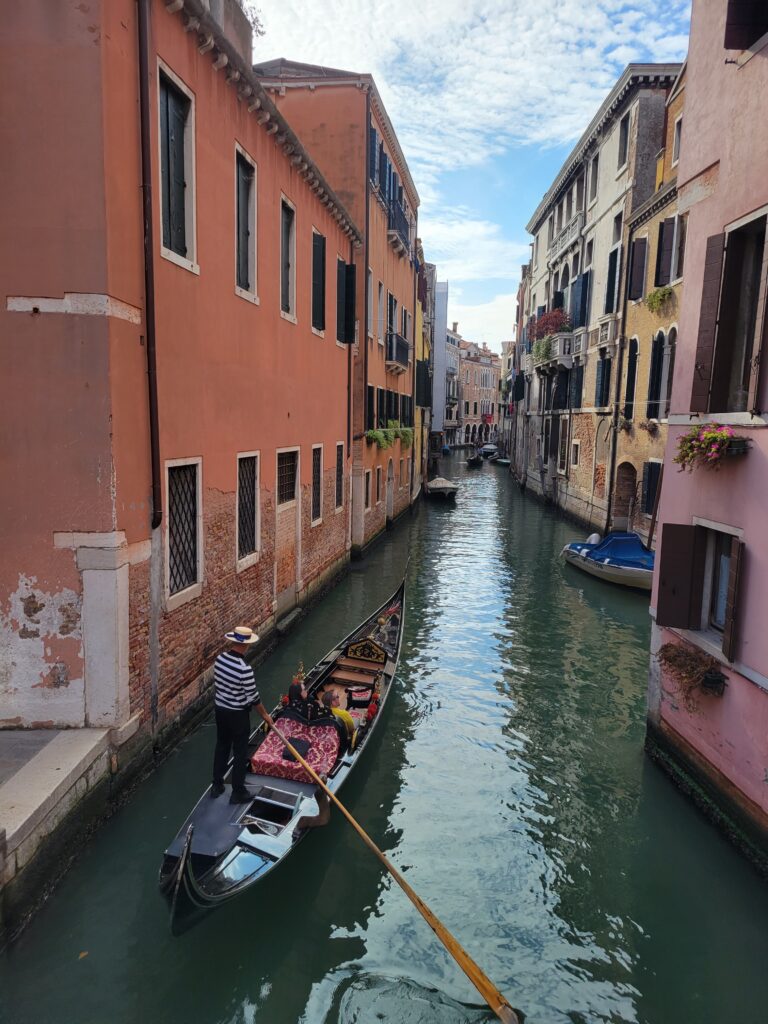
Venice in the off-season also moves differently. You walk without navigating around crowds. You sit in a bar at the counter and drink a spritz (if you like that) and no one is in a hurry. The city’s extraordinary strangeness — that it exists at all, that it has persisted, that it is simultaneously sinking and magnificent — becomes easier to actually feel when you’re not managing the logistics of peak season.
And then there is the food — which for me in Venice means pizza at Farina (so good), gelato, prosecco, and a cappuccino that reminds you every single time why Italy does this better than anyone else in the world. I am not a complicated traveler when it comes to eating. I know what I love, and Italy never disappoints.
On loving this work
I’ll be honest about something: I don’t experience what I do as a job in the conventional sense. I experience it as an extension of who I am — someone who loves place deeply, who cares about how people experience the world, who finds genuine meaning in the moment a client tells me that a trip changed something for them. The travel show in Venice is professional, yes. But I’ll also be walking those calli in November light thinking about all the people I want to send there, and how, and when.
That’s the thing about this work. The line between living it and doing it has never been very clear to me, and I’ve stopped trying to find it.
With kindness and gratitude, from somewhere between Portland and the Adriatic . . .